-
手ぬぐいって奥が深い!
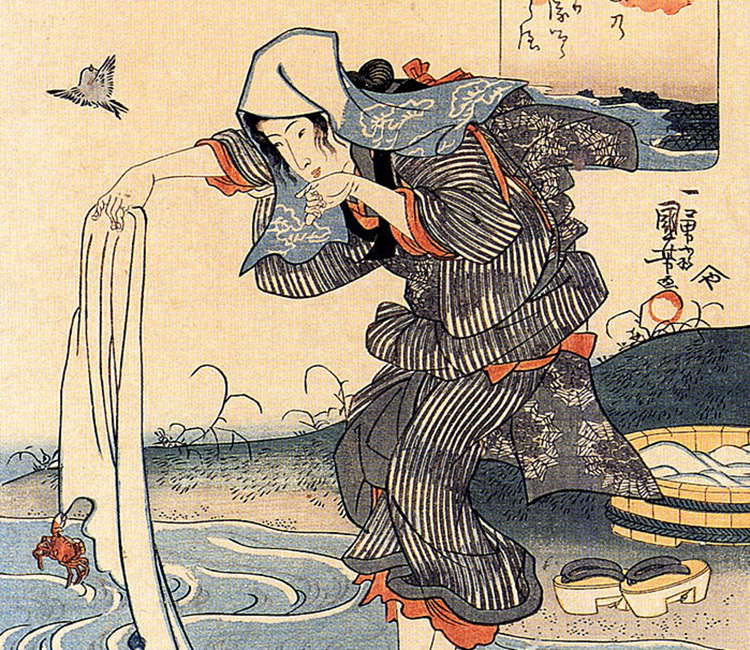
歌川国芳:洗濯をする女性 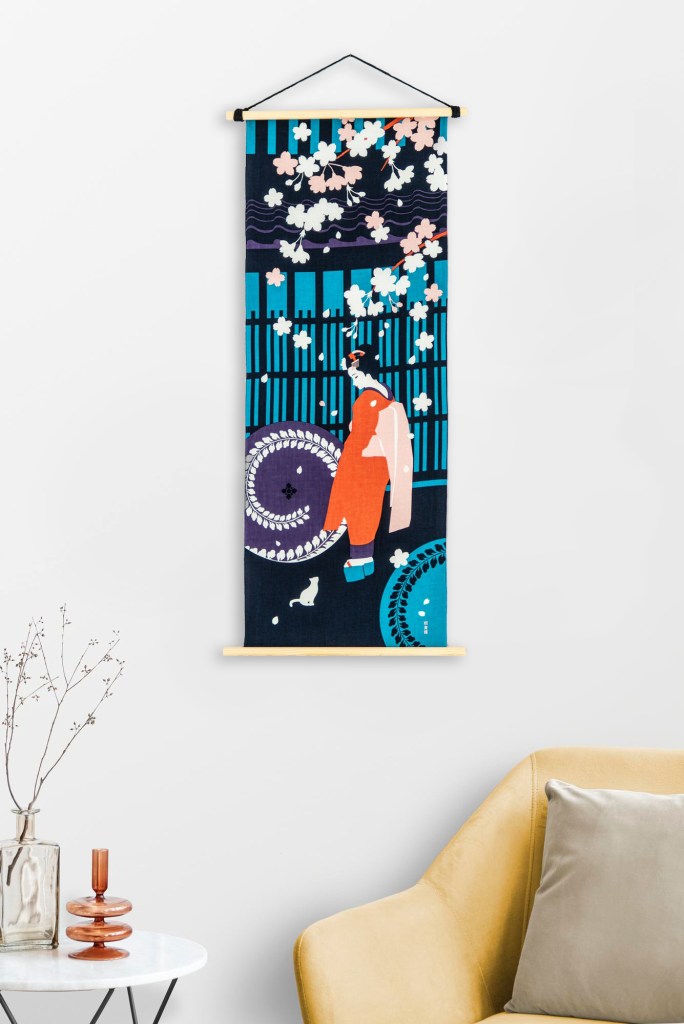
手ぬぐいは、日本の伝統的な布ですが、皆さんご自分で購入したことはありますか?以下にいくつかの一般的な使い方を紹介します。私達がお勧めしたいのは、手ぬぐいを絵画として飾る方法です。モダンな雰囲気のマンションも、手ぬぐいを取り入れることにより和の柔らかい雰囲気が演出できます。手ぬぐいを購入して、産地の職人さんをサポートしましょう!
- 汗や濡れたものを拭く:キッチン周りや、暑い日やスポーツをするときに汗を拭くのに便利です。
- 首に巻く:手ぬぐいは、夏場の暑さを和らげるために首に巻くこともできます。
- 鞄やかばんに巻く:手ぬぐいは、鞄やかばんを飾るために使われることもあります。巻いたり結んだりすることで、おしゃれなアクセントとなります。
- ラッピングや包装:手ぬぐいは、贈り物やお土産を包むために使われることもあります。独特の柄や色合いが、プレゼントを特別なものに演出してくれます。
- 絵画として:手ぬぐいの種類によっては、日本の美しい四季の風景を描いたデザインも多々あり、インテリアに加えるのに最適です。
自分なりの使い方を見つけることもできます。好みやシーンに応じて、さまざまな使い方を楽しんでください。
手ぬぐいの生地と染色方法手拭いの染色方法は様々な技術が使われています。以下に一般的な手拭いの染色方法をご紹介します。
- 注染は、染料を手拭いの上に注ぎ込むことで模様を作る技法です。この方法は、手拭いの表面に直接染料を塗布するため、染料が布に浸透しやすく、鮮やかな色合いを実現することができます。また、染料が裏まで染み込むので、面裏のない、通気性の良い仕上がりになります。
注染は、職人の手によって丁寧に行われる伝統的な技術です。手拭いの上に注ぐ染料の量や模様の作り方など、細かい作業が求められます。そのため、手拭いには職人の技術や感性が反映されています。
手ぬぐいを注染で染めることで、個性的で美しい模様を楽しむことができます。さまざまな注染の作品を見て、自分に合った手拭いを選ぶ楽しみもあります。手拭いを身につけることで、和の風情を取り入れた素敵な日常を楽しんでください。
手ぬぐいをいますぐ生活に取り入れたい!という方はこちらから幾つかの老舗をご紹介しています。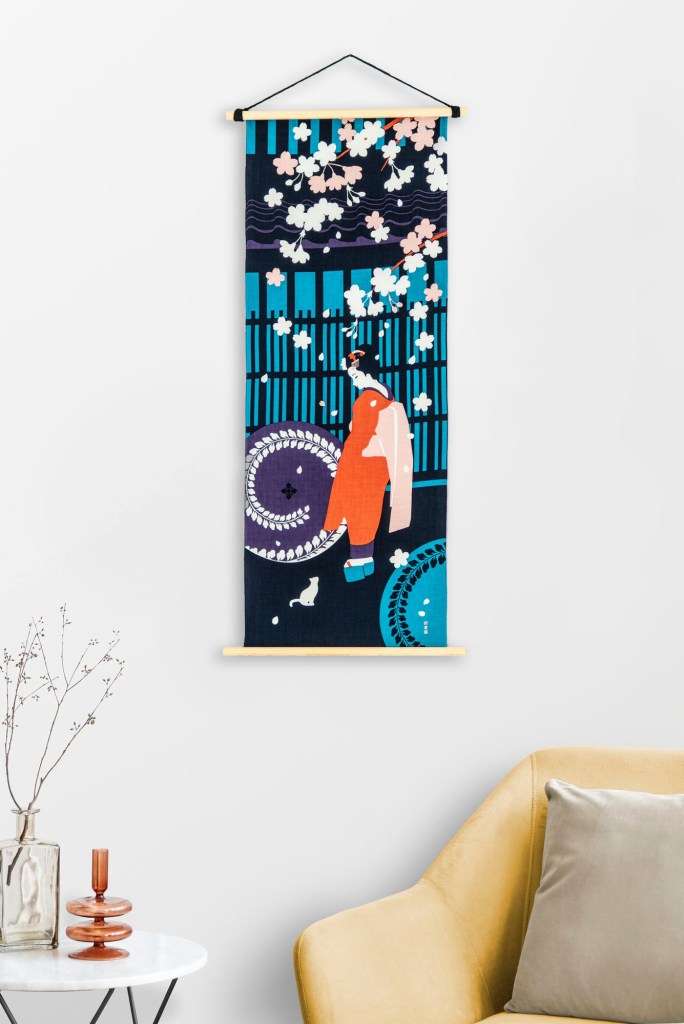
-
Fujin Graph (1924-1928)
From June of the 13th year of Taisho era (1924) to March of the 3rd year of Showa era (1928), a women’s magazine published by Kokusai Joho-sha. Targeted at affluent women, this magazine featured fashion trends, news from both domestic and international sources, as well as gravures of noble and well-known families’ wives and daughters. It also included novels and other content. Each issue was made luxuriously, with the addition of multi-color woodblock prints and color photographs. The cover and inserts were drawn by popular artists of that time such as Takehisa Yumeji, Ito Shinsui, Ondochi Koshishiro, and Fukuda Tomonori. Although it garnered overwhelming support from women, the magazine’s opulent production led to its downfall. After just 4 years and 7 months since its inception, the magazine ceased publication with its 55th issue. The artistic value of the works created by these artists and their designs, along with the representation of the customs and trends of that era, are highly regarded as historical records.
-
Yachigusa – Design book from Meiji 1902-1903
“Yachigusa” is a sample book of woodblock prints that was released as a series during the Meiji period, divided into several volumes. It showcases patterns not only for kimono designs but also for the lining of garments. The author is listed as “Ueno Kiyoe,” so it is believed to be the work of Ueno Kiyoe, the father of Ueno Tameji, who became a Living National Treasure in 1955 for his dyeing expertise.
-
Japanese design book from Meiji Period (1903)
“Practical Sketchbook” (Ōyō Manga) by Ogino Issui, published in 1903, is a notable work in the realm of Japanese art and design. This book is celebrated for its valuable insights into various artistic techniques, including illustrations, patterns, and designs, making it a resource for artists, craftsmen, and anyone interested in the visual arts. Through “Practical Sketchbook,” Ogino Issui aimed to provide practical guidance and inspiration for artists, contributing to the development and refinement of artistic skills during that period. The book’s content remains relevant and historically significant, offering a window into the artistic practices and aesthetics of early 20th-century Japan.
-
Antique Kimono
Do you shop vintage and antique clothing? Do you know that in kimono world, there are not many vintage pieces but loads of beautiful antique kimonos? Where do you source them? Find out more here👘
-
Hello World!
Welcome to Studio Japonisme! You will find a spirit of Japonisme and beautiful artisanal products made in Japan – small things that make your days sparkle✨
ホーム
Kon-nichiwa,
I’m Lina
Welcome to Studio Japonisme, my personal internet space dedicated to all things Japanese from early 20th century to backwards! Here, I invite you to join me on a wonderful journey of Japanese traditional art, design, craftsmanship, and beautiful les objects d’art.
Join the fun!
Stay updated with our latest tutorials and ideas by joining our newsletter.
 Studio Japonisme